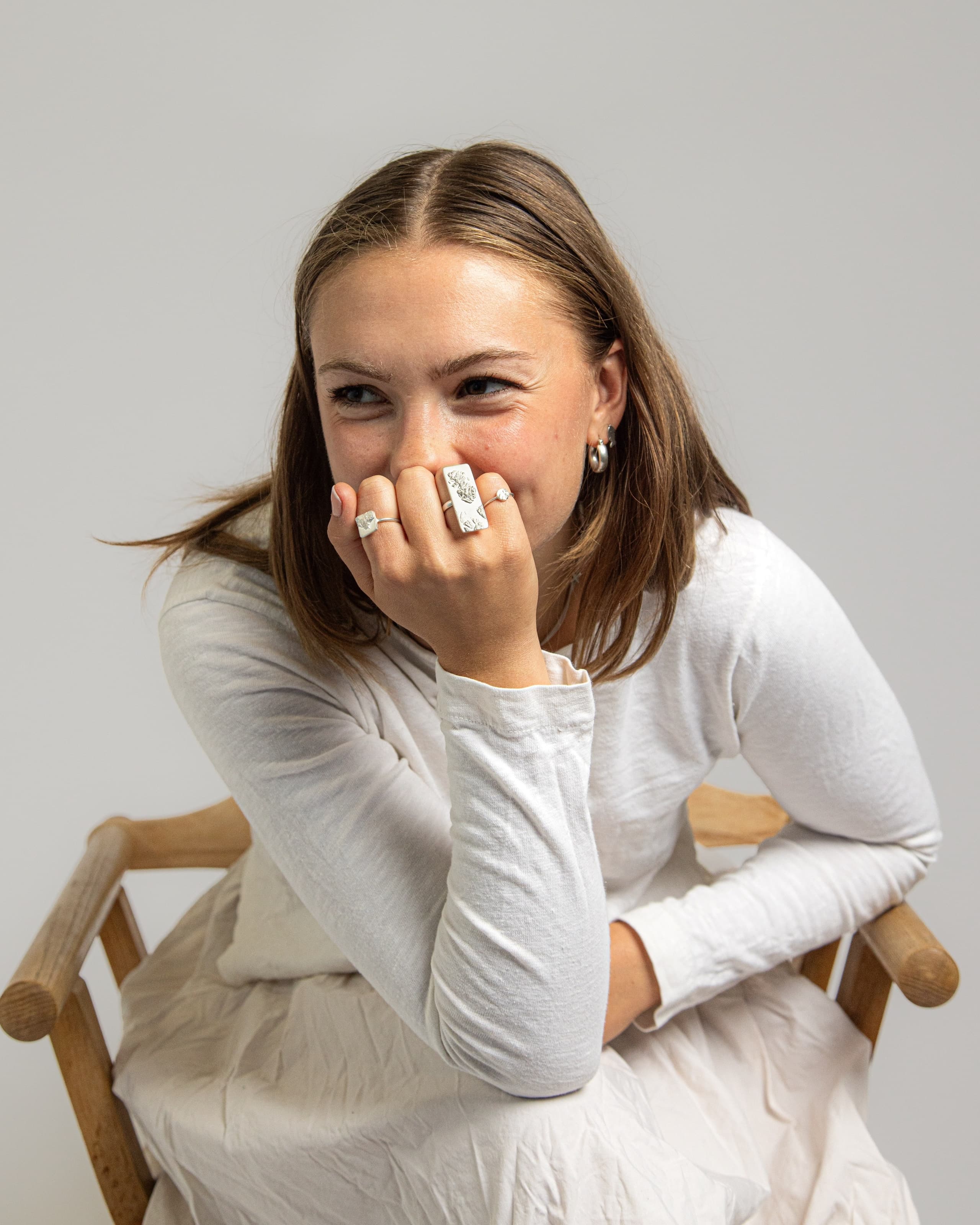
Launching Wildring
A ring made of a mountain..
A ring made of a mountain
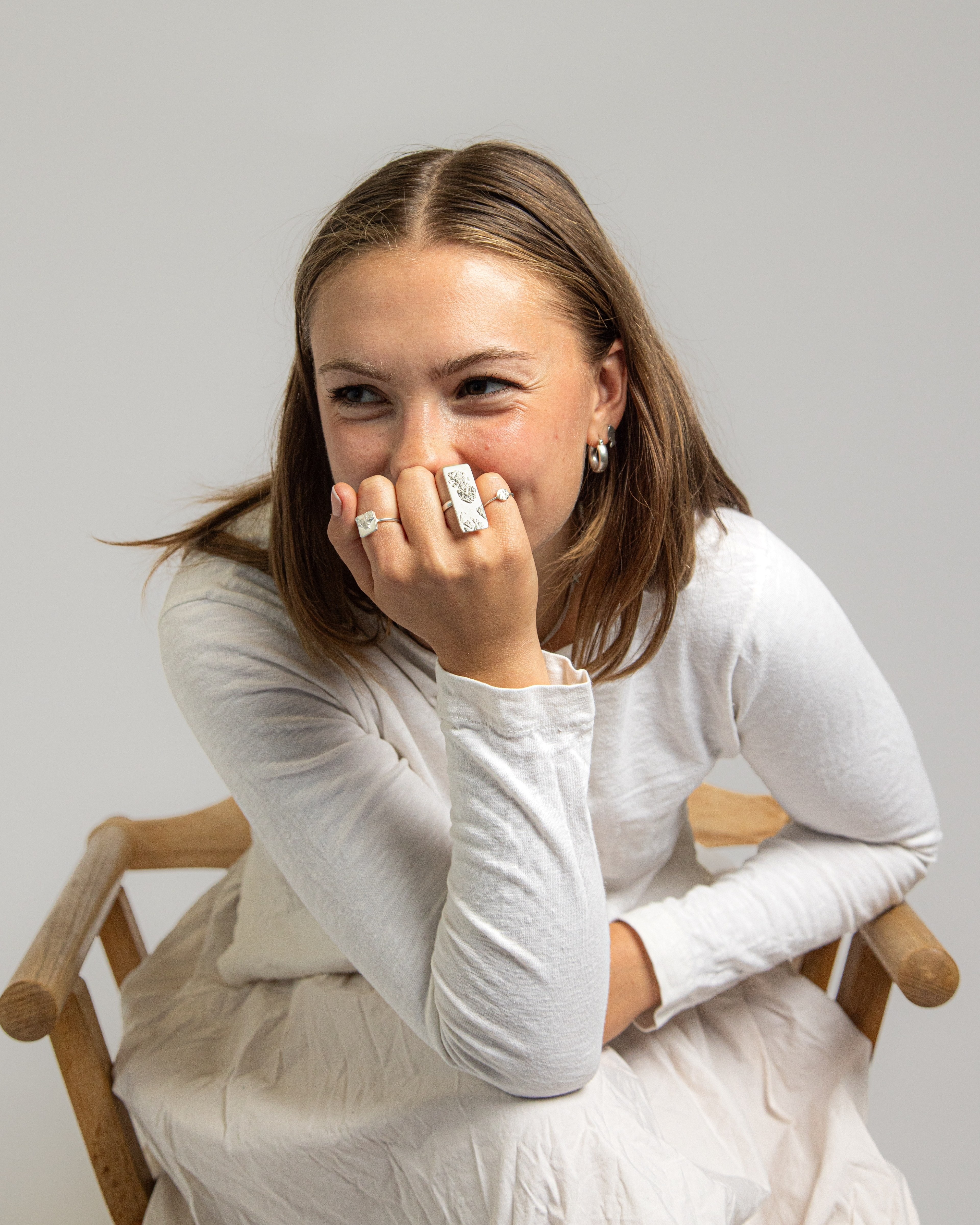
Souvenir is just the French for "to remember", which is a lot to ask of a fridge magnet. Most souvenirs fail at it. Photos are worse, because a photo of a mountain is everyone's photo of the mountain, taken from the car park, and you have four hundred of them.
So for the last year I've been making rings out of the mountain itself. Or as close as I can get.
What it is
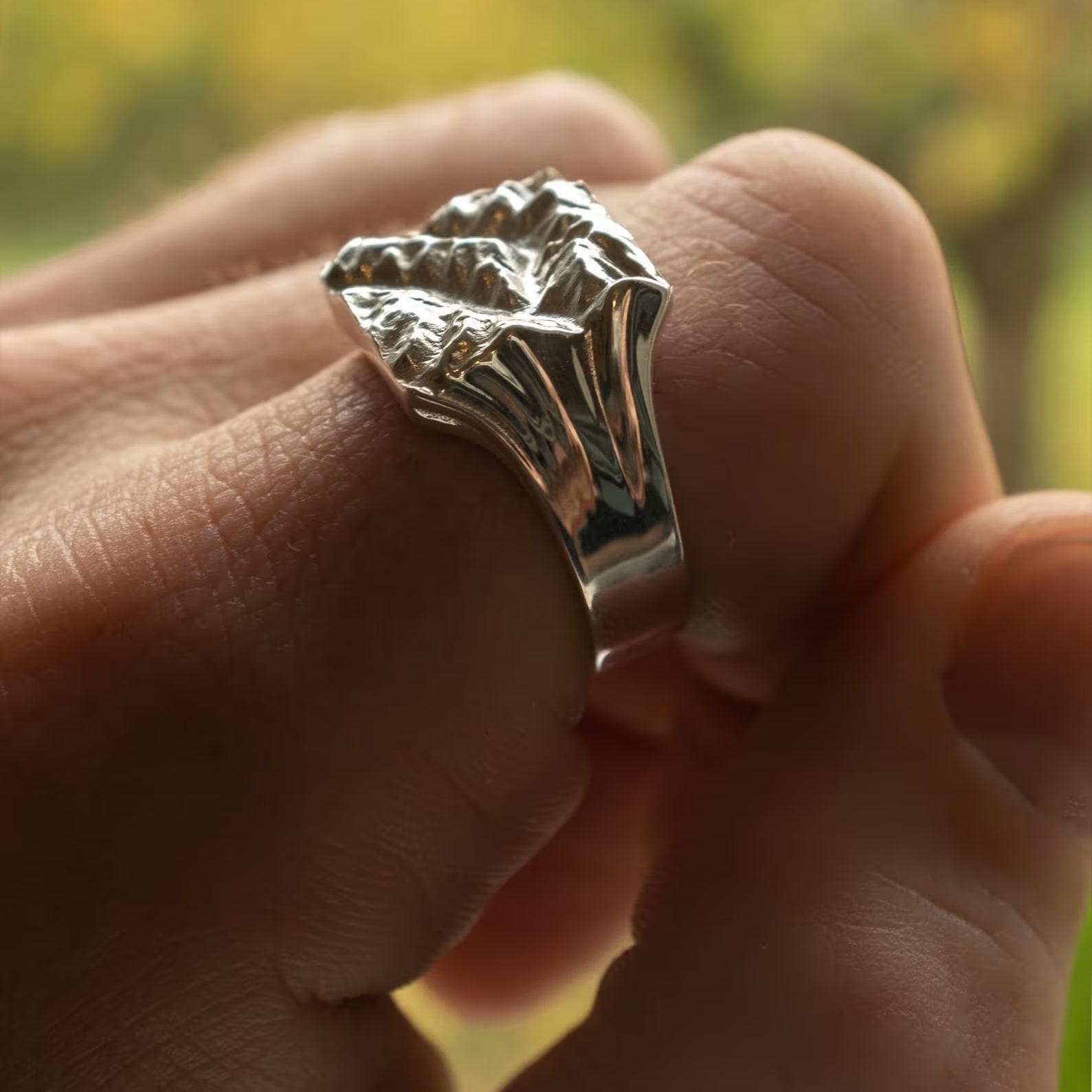
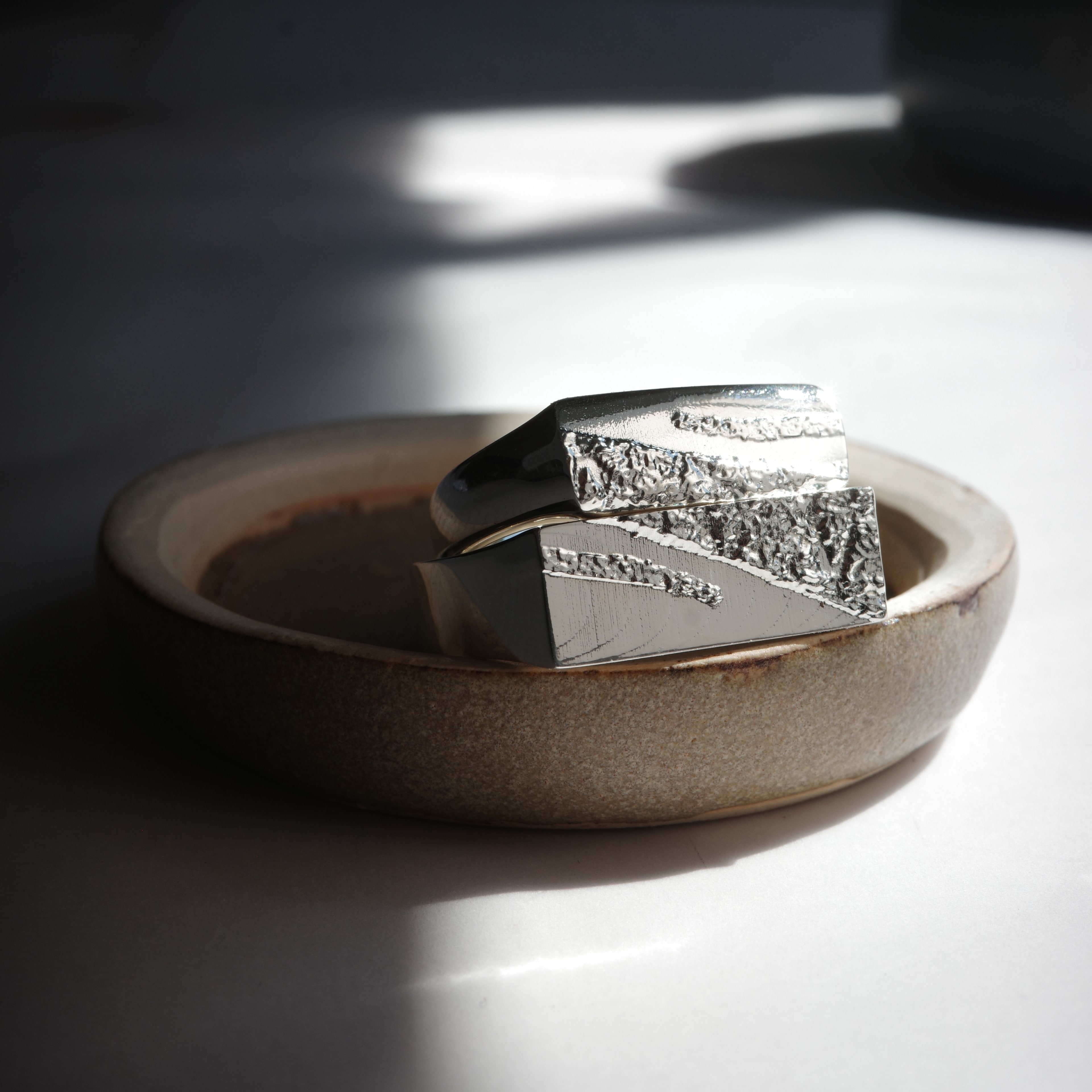
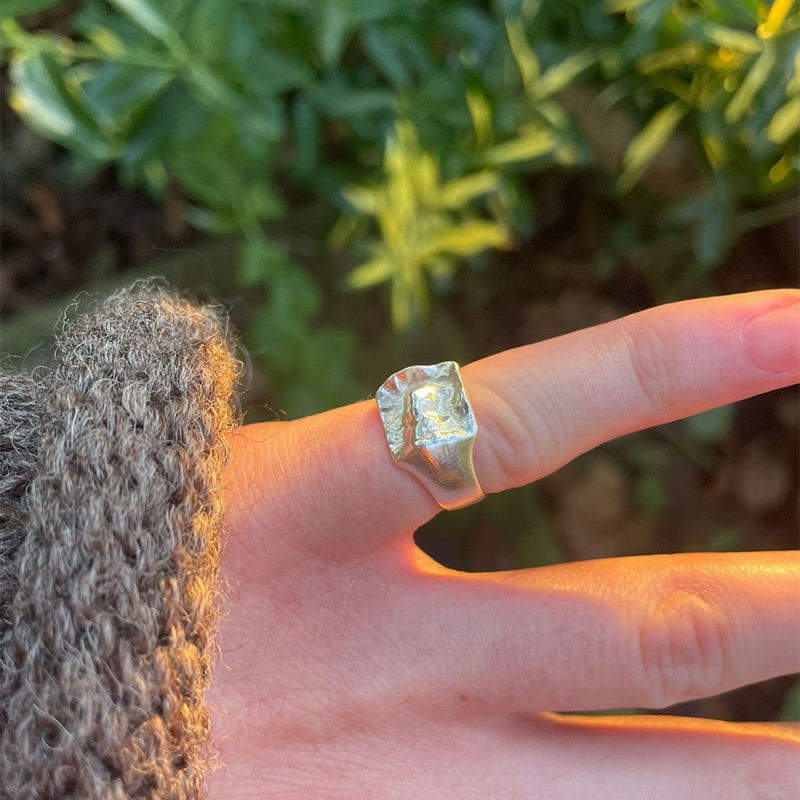
Wildring takes the elevation data for a place — a summit, a coastline, the hill you proposed on — turns it into a 3D model, and casts it in silver or gold using lost-wax casting in the UK. You end up with a small, heavy, slightly absurd object: a landscape at a scale where you can feel the ridgeline with your thumb. wildring.studio
The mountain is free
Every hill on earth has been measured to within a metre or so and the data sits on a public server. The mountain costs nothing. What you're actually paying for is the compression.
A ring is a map at roughly 1:100,000, and a map at that ratio is mostly a set of decisions about what to leave out. Borges has a story about cartographers who made a map the size of the empire, and of course it was useless. It turns out the useful size for a place is about the width of a finger. The two-hour scramble that defines your memory of the walk becomes a quarter of a millimetre of relief. That sounds like a loss until you notice that's how memory works too. Lossy, and better for it.
There's a word for this. Synecdoche: the part standing in for the whole. "Wheels" for a car, "hands" for a crew, a few square kilometres of ridgeline for the whole week you spent under it. It's from the Greek for "taking together", which is about right. You don't wear the mountain. You wear the bit that lets you take the rest with you.
How it got made
It didn't start with mountains. It started with shelves. I wanted CNC shelves, didn't know CAD, and found parametric software a lot to learn for a rectangle with holes in it, so I wrote a shelf builder in Three.js instead: drag a slider, the shelf changes, out comes a cut file. Before that I'd spent a summer tracing chairs with a pen plotter to learn how to pull lines out of an image, and before that I'd put a drone over the marshes and stared at the result for far too long. None of these were ideas exactly. But if you keep building sliders that turn into objects, eventually you notice the slider could be a mountain.
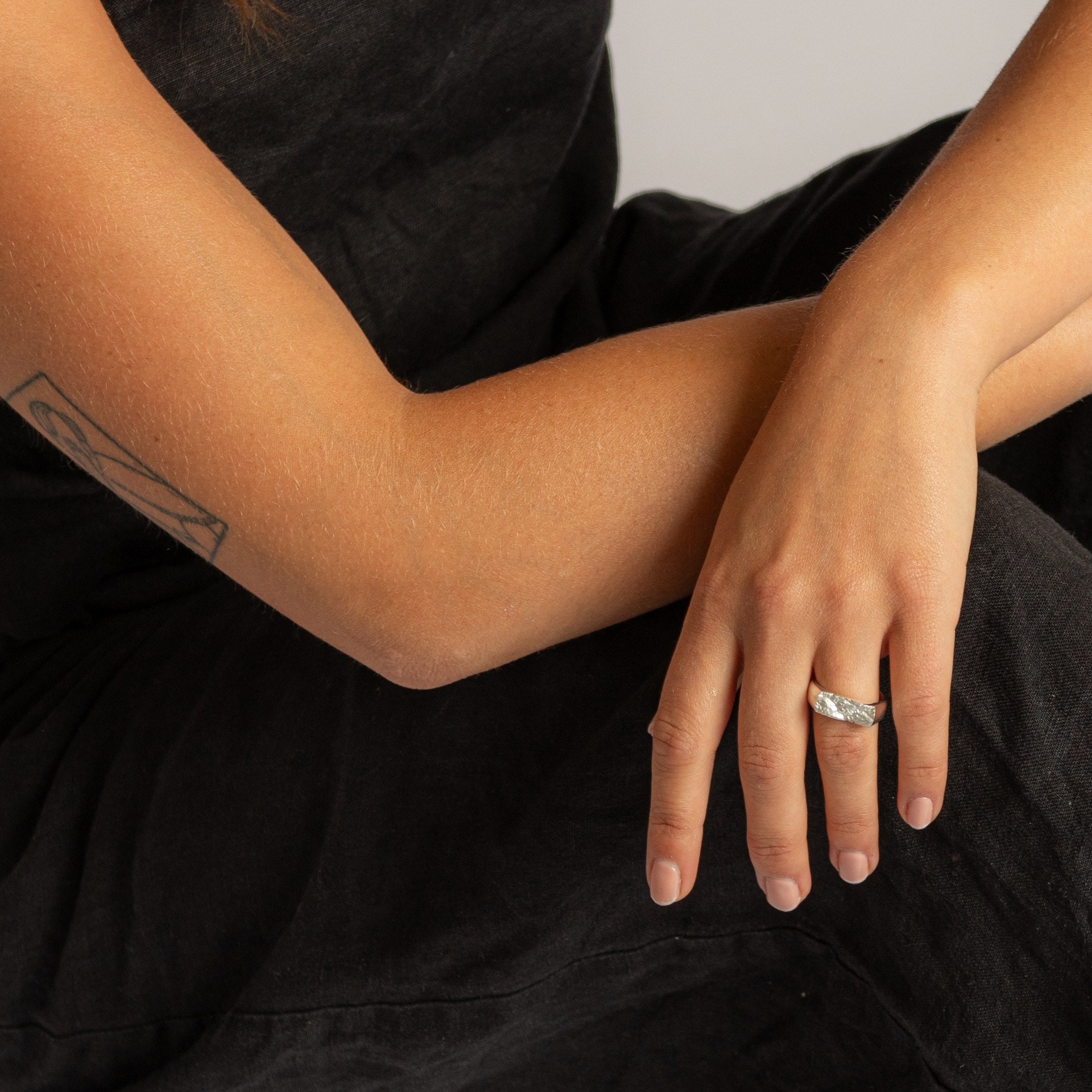
What survived was the signet ring. People used to put a family crest on one because that's who they were. Most of us don't have a crest. We do have a place.
The pipeline is a strange sandwich. The front is code: a designer that runs in the browser, pulls the terrain live and lets you turn it, cut it, and see the ring before it exists. The back is six thousand years old: the model gets printed in wax, cast in recycled silver or gold in the Birmingham Jewellery Quarter, and hallmarked at the Assay Office. I spent a while trying to do the casting myself — sand casting in the garden, melting silver on a bench, a lot of ruined flux — mostly so I'd understand what the foundry was going to tell me was impossible. Turns out the jeweller's job here is really toolmaking. Build the thing that lets other people design, then get out of the way.
The honest version
We launched quietly in September last year. Christmas was a trial run at cost, mainly to find out what breaks when you post jewellery to strangers in December. (Answer: ring sizing. Nobody knows their ring size. Including, it turns out, me.) In April I went full-time. Self-funded, about three hundred rings so far, twenty-three countries.
It's a small business making small objects. I don't have a pitch. But if you've ever stood somewhere and thought I'd like to keep this, that's the whole idea.
wildring.studio · @wildring.studio on Instagram
The marshes I grew up next to are still there. Now I can put them in my pocket.